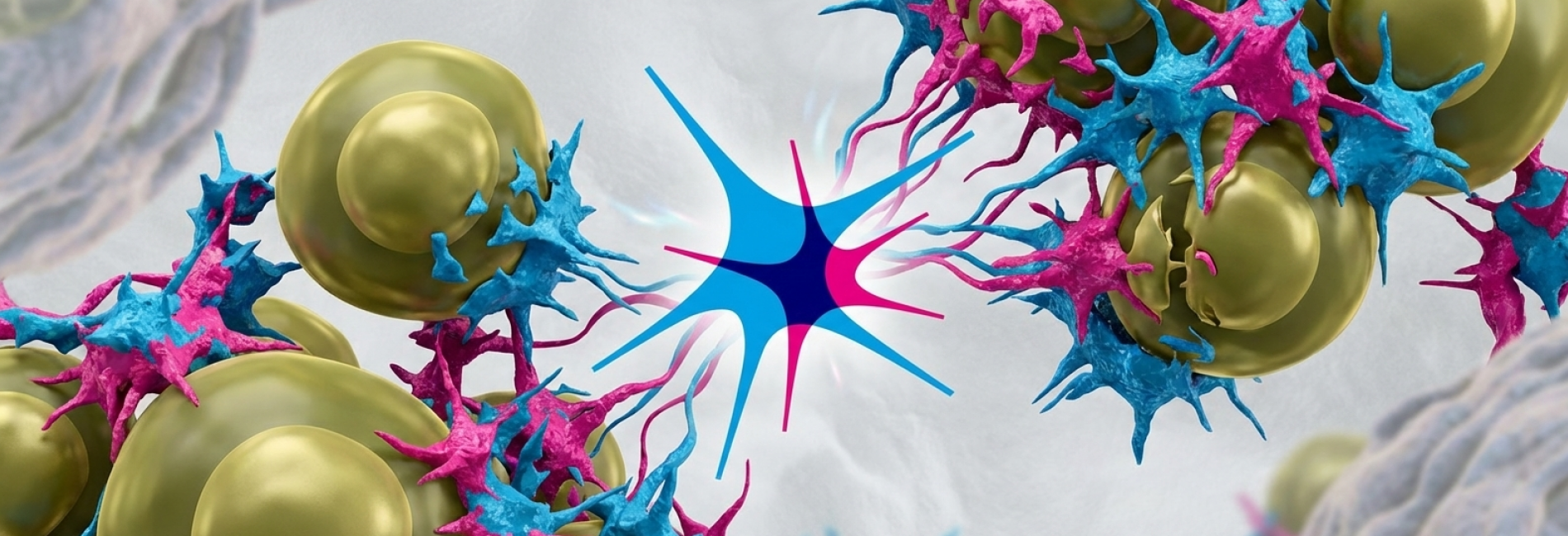
Autoimmune Diseases of the Nervous System
Diagnosis and Treatment at Neuro Praxis Düsseldorf
Autoimmune diseases occur when the immune system mistakenly identifies the body’s own tissues as foreign and attacks them. While many people associate autoimmune disorders primarily with the joints, skin, or thyroid gland, they can also affect the brain, spinal cord, peripheral nerves, and autonomic nervous system.
Autoimmune neurological disorders are among the most important treatable causes of neurological symptoms. Early diagnosis is therefore crucial, as many of these conditions can be significantly improved through modern therapeutic approaches.
Which Neurological Symptoms May Indicate an Autoimmune Disease?
Symptoms can be highly variable and may develop gradually or appear suddenly.
Possible symptoms include:
- Numbness and tingling sensations
- Burning nerve pain
- Muscle weakness
- Gait instability
- Dizziness
- Visual disturbances
- Problems with concentration and memory
- Severe fatigue
- Circulatory problems and autonomic symptoms
- Abnormal skin sensations
- Difficulties with swallowing or speech
- Neurological symptoms following infections
Because many of these symptoms can also occur in other conditions, a comprehensive neurological evaluation is essential.
Which Autoimmune Diseases Can Cause Neurological Symptoms?
Examples of autoimmune disorders with neurological involvement include:
Disorders of the Central Nervous System
- Multiple Sclerosis (MS)
- Neuromyelitis Optica Spectrum Disorders (NMOSD)
- MOG Antibody-Associated Disease (MOGAD)
- Autoimmune encephalitis
- Autoimmune myelitis
Disorders of the Peripheral Nervous System
- Chronic Inflammatory Demyelinating Polyneuropathy (CIDP)
- Multifocal Motor Neuropathy (MMN)
- Guillain-Barré Syndrome
- Autoimmune Small Fibre Neuropathies
Disorders of Neuromuscular Transmission
- Myasthenia gravis
- Lambert-Eaton myasthenic syndrome
Systemic Autoimmune Diseases with Neurological Involvement
- Sjögren’s syndrome
- Systemic lupus erythematosus (SLE)
- Rheumatoid arthritis
- Systemic sclerosis (scleroderma)
- Vasculitis
- Sarcoidosis
Advanced Diagnostic Evaluation of Autoimmune Disorders
Diagnosing autoimmune neurological diseases often requires the combination of several complementary diagnostic methods.
Depending on the clinical situation, the following investigations may be appropriate:
Comprehensive Medical History and Neurological Examination
A detailed review of symptoms, disease progression, previous medical findings, and associated conditions forms the foundation of the diagnostic process.
Specialized Laboratory Testing
- Autoantibody testing
- Inflammatory markers
- Advanced immunological diagnostics
- Evaluation for alternative causes of neurological symptoms
Electrophysiological Studies
- Nerve conduction studies (NCS)
- Electromyography (EMG)
- Evoked potentials
Autonomic Nervous System Testing
When autonomic dysfunction is suspected, specialized autonomic function testing can provide important diagnostic information.
Skin Biopsy and Small Fibre Assessment
For patients with suspected autoimmune small fibre neuropathy, specialized testing of small nerve fibres may be indicated.
Neuroimaging
Depending on the clinical question, MRI, CT, and other imaging findings are reviewed and incorporated into the overall diagnostic assessment.
Treatment of Autoimmune Neurological Disorders
Treatment depends on the specific condition, the severity of symptoms, and the individual disease course.
Potential therapeutic options include:
- Corticosteroids
- Immunosuppressive medications
- Biological therapies (monoclonal antibodies)
- Intravenous immunoglobulin therapy (IVIG)
- Plasmapheresis or immunoadsorption
- Symptomatic neurological treatment
- Physiotherapy and rehabilitation
- Individualized long-term follow-up
The primary goals of treatment are to control the abnormal immune response, prevent neurological damage whenever possible, and preserve quality of life.
Why Is Early Diagnosis Important?
If left untreated, many autoimmune neurological disorders can lead to permanent damage to the nerves, spinal cord, or brain. At the same time, they belong to the group of neurological diseases for which modern therapies can often be particularly effective.
Early and comprehensive diagnostic evaluation allows potentially treatable causes to be identified, appropriate therapies to be initiated, and disease progression to be favorably influenced.
Our Approach at Neuro Praxis Düsseldorf
Neuro Praxis Düsseldorf offers comprehensive neurological evaluation for patients with suspected autoimmune disorders affecting the central, peripheral, and autonomic nervous systems. By combining advanced neurological diagnostics, specialized testing procedures, and individualized patient care, our goal is to accurately characterize complex neurological conditions and develop the most appropriate diagnostic and therapeutic strategy for each patient.

"Do you have any questions about our services or would you like to make an appointment? We would also be happy to advise you in our private medical video consultation"