Epilepsy – Modern Diagnosis and Treatment
Epilepsy Care at Neuro Praxis Düsseldorf
Epilepsy is one of the most common neurological disorders and is characterized by recurrent epileptic seizures. An epileptic seizure results from a temporary, uncontrolled electrical discharge of nerve cells in the brain.
However, not every seizure automatically indicates epilepsy. A thorough neurological evaluation is essential to determine the underlying cause and to establish the most appropriate treatment strategy.
How Do Epileptic Seizures Present?
Epileptic seizures can vary greatly in their appearance. The symptoms depend on which area of the brain is affected.
Possible manifestations include:
- Loss of consciousness
- Muscle jerking or convulsions
- Fixed staring episodes
- Temporary speech disturbances
- Sensory symptoms such as tingling or numbness
- Visual disturbances
- Unusual smells or tastes
- Confusion
- Memory gaps
- Involuntary movements
- Sudden falls
Some seizures last only a few seconds and may initially go unnoticed by the patient or family members.
Generalized and Focal Epilepsies
Several different forms of epilepsy are recognized.
Generalized Epilepsies
In generalized epilepsy, both hemispheres of the brain are involved from the onset of the seizure. These seizures often cause loss of consciousness and prominent motor symptoms such as stiffening or convulsions.
Focal Epilepsies
In focal epilepsy, seizures originate from a specific area of the brain. Depending on the location involved, symptoms can vary considerably. Consciousness may remain fully preserved, become impaired, or be lost during the course of the seizure.
Focal epilepsy is the most common form of epilepsy in adults.
Causes of Epileptic Seizures
The causes of epilepsy are diverse and should be investigated carefully following any epileptic event.
Potential causes include:
- Previous stroke
- Traumatic brain injury
- Brain tumors or other structural lesions
- Inflammation of the brain or meninges
- Brain hemorrhage
- Congenital brain abnormalities
- Genetic factors
- Metabolic disorders
- Autoimmune diseases affecting the nervous system
- Neurodegenerative disorders
In some patients, no definitive cause can be identified despite extensive diagnostic evaluation.
Diagnostic Evaluation After a Seizure
The investigation of a seizure should be initiated promptly and conducted with great care.
A comprehensive assessment may include:
Detailed Medical History
A precise description of the event is often one of the most important diagnostic tools. For this reason, reports from family members, witnesses, or first responders can be extremely valuable.
Neurological Examination
A thorough neurological examination helps identify signs of underlying disorders affecting the nervous system.
Electroencephalography (EEG)
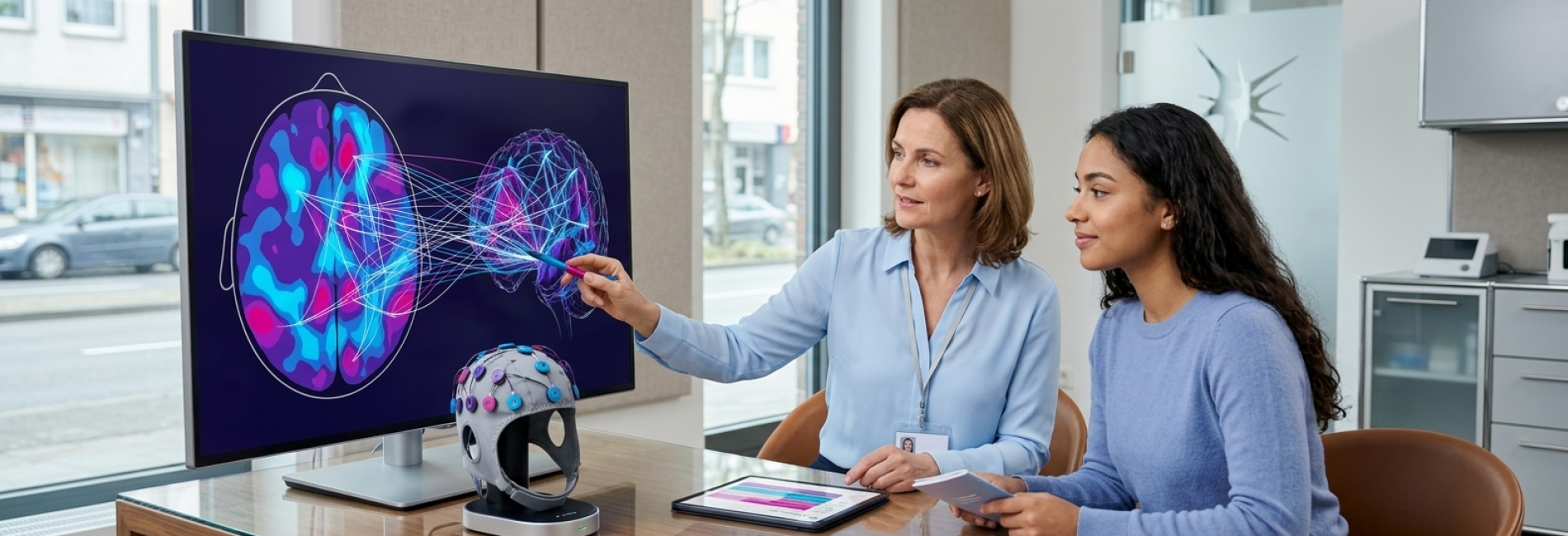
EEG records the electrical activity of the brain and can detect characteristic abnormalities associated with an increased tendency toward seizures.
Neuroimaging
Depending on the clinical situation, existing MRI or CT scans may be reviewed, or additional imaging studies may be recommended.
Additional Investigations
Further laboratory tests and specialized neurological examinations may be required depending on the individual circumstances.
The Importance of Seizure Documentation
Observations made by relatives or friends can provide invaluable information for diagnosis.
Whenever possible, we recommend:
- Documenting the sequence of events during the seizure
- Recording the exact time and duration
- Noting any observed symptoms
- If safe and feasible, recording a short video of the event
These details can provide important clues for neurological assessment.
Treatment of Epilepsy
Treatment depends on the type of epilepsy, seizure frequency, underlying cause, and the individual needs of the patient.
Medical Therapy
The primary treatment consists of anti-seizure medications (antiepileptic drugs, AEDs). Modern medications enable many patients to achieve excellent seizure control and, in many cases, complete seizure freedom.
Individualized Treatment Adjustment
Because each patient responds differently to medication, dosage adjustments or alternative medications may be necessary to achieve optimal effectiveness while minimizing side effects.
Specialized Treatment Options
In selected cases, advanced therapies such as epilepsy surgery or neurostimulation procedures may be considered. These options are typically evaluated in specialized epilepsy centers.
Long-Term Care
Epilepsy is often a chronic condition that requires ongoing neurological follow-up. Regular assessments help to:
- Monitor treatment effectiveness
- Detect side effects at an early stage
- Adjust medications when necessary
- Optimize long-term seizure control
Our Approach at Neuro Praxis Düsseldorf
At Neuro Praxis Düsseldorf, we place particular emphasis on thorough investigation of the underlying cause, modern neurological diagnostics, and individualized treatment strategies. Our goal is to achieve the best possible seizure control, preserve our patients’ quality of life, and provide safe, effective, and long-term neurological care.